Advocacy
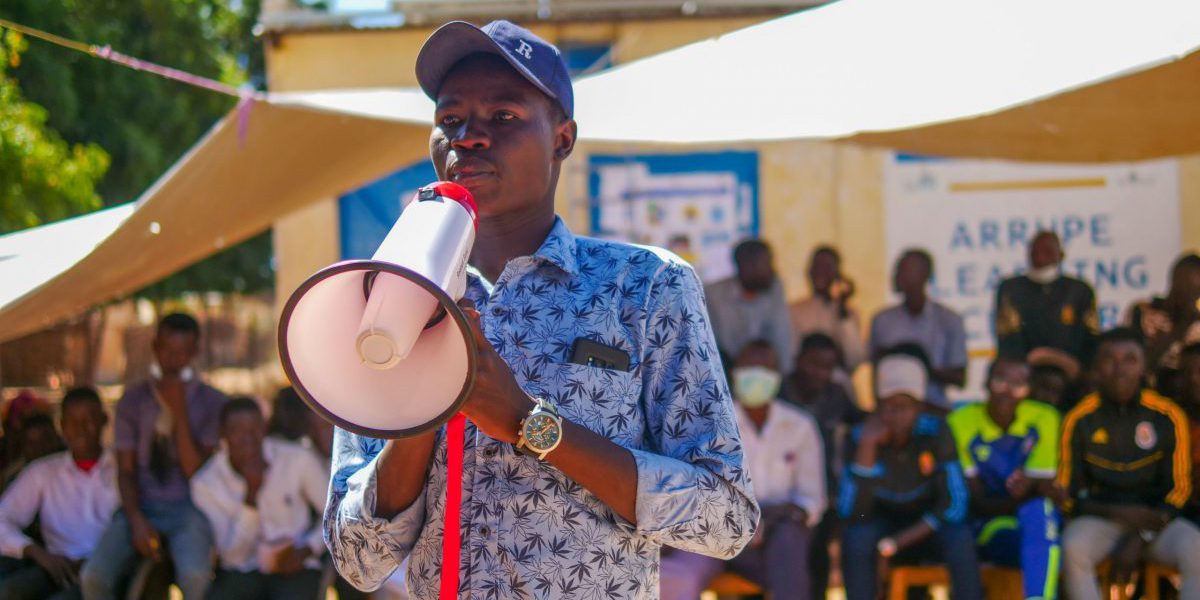
JRS’s priority for 2025–2029 is to connect local, regional, and global advocacy processes that challenge unjust legal frameworks, strive to change public opinion, help to generate sustainable and durable solutions, and empower forcibly displaced people to exercise their human rights.
For JRS, advocacy means ensuring that refugees receive legal and humane treatment. This involves systematic efforts to influence policy, law, and public opinion to create structural changes that protect and promote the rights of forcibly displaced people.
Advocacy matters because policy and legal barriers often limit refugee access to protection, livelihoods, education, and essential services. Public will and support are crucial for creating durable solutions and more welcoming societies. By empowering refugee communities and amplifying their voices, advocacy ensures authentic representation and helps challenge harmful narratives that stigmatise or marginalise refugees.
JRS’s approach
JRS’s advocacy begins with the lived experience of forcibly displaced people. We accompany refugees in their daily lives, grounding our positions in what they tell us and in data gathered through our programmes.
Building on this foundation, JRS advocates at multiple, interconnected levels. At local level, we work alongside communities and partners to respond to concrete cases, and to address barriers to rights, protection, and services. At national and regional level, we collaborate with refugee-led organisations, civil society, faith-based actors, NGOs, Church institutions and networks to influence laws, policies and social attitudes, using local evidence to argue for fairer policies and more welcoming societies.
At international level, including through our offices in key policy centres like Brussels, Rome, or Geneva, we engage with governments, international organisations and Church bodies to ensure that the realities faced by refugees shape global debates, norms and commitments, such as the pledges made at the Global Refugee Forum. Across all these levels, we engage strategically with media and opinion shapers, and support refugee advocates to speak for themselves in public, policy, and diplomatic arenas. JRS coordinates these efforts so that community-based advocacy, casework, programmes and policy work reinforce one another, amplifying refugee voices and turning local experience into systemic change.
What we do
Our global advocacy priorities are:
- Access to education and inclusion of refugee students in national education systems: we want forcibly displaced people to have increased access to quality education and be included in national education systems, with equal opportunities and no discrimination.
- Access to territory and legal status: we want forcibly displaced people to have access to safe territory where they can seek and enjoy protection and be accepted without discrimination and marginalisation.
- Access to mental health and psychosocial support: we want people living in displacement to be able to reach their full potential and thrive by accessing quality and relevant mental health and psychosocial support.
Programme Stories
The role of faith-based organisations in refugee protection
13 October 2026

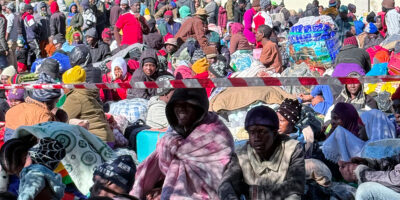
Amid rising anti-migrant tensions in South Africa, JRS stands with refugees and migrants
24 July 2026
Global Civil Society Coalition Calls for Strengthened Implementation of the Refugee Convention
21 July 2026